WE THE PEOPLE: A Civic Self‑Check Before Election Day
A grounding guide for voters navigating fear, confusion, and uncertainty.
STEP 1: Make Sure Your Voter Registration Is Current
Before you make a voting plan, confirm your voter registration status. Many people don’t realize their registration has expired, changed, or been removed during routine updates.
Check your registration at RockTheVote.org — it’s fast, trusted, and independent. If anything looks off, you can update it immediately.
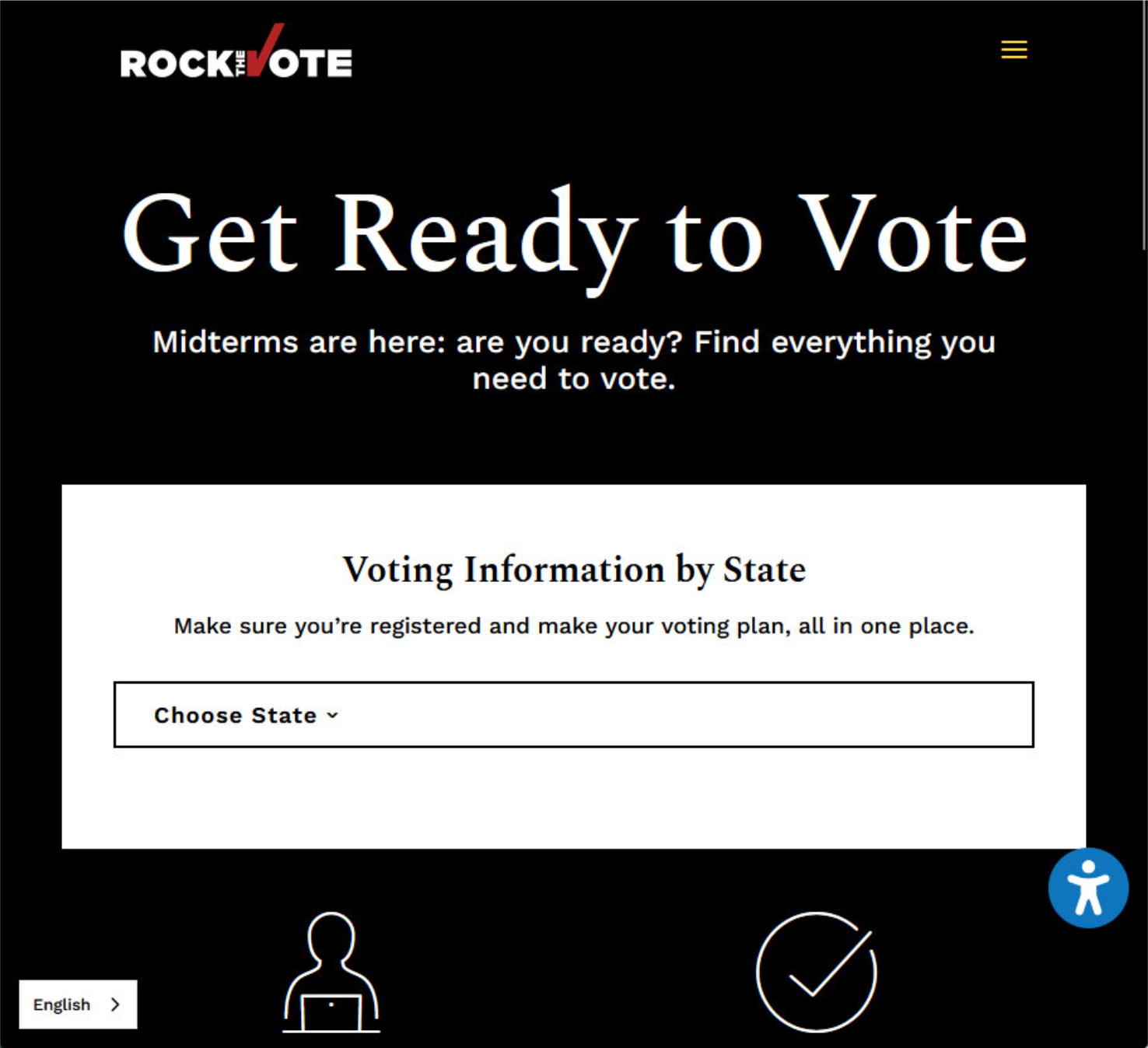
Verifying you are registered to vote is the first step in protecting your vote. Nothing else works until this part is done.

SECTION 1 — Understanding What You’re Feeling
Emotional grounding
Fear shows you what matters. In democracy, fear reveals which rights feel most at risk.
Anger shows you where a boundary was crossed. Public anger shows where institutions have broken trust.
Anxiety means you’re living in the future. Civic anxiety means people doubt the system will protect their vote.
Motivation fades; habits shape your life. Outrage fades — civic habits (voting, watchdogging, organizing) protect democracy.
Your past is a chapter, not your whole story. A nation’s past is a chapter — repeating it is a choice.
Triggers show you what still needs healing. Political flashpoints show where democracy is still wounded.
Control is an illusion. Democracy isn’t automatic — it survives through participation.
Your thoughts shape you. A nation’s narratives shape its future.
Your habits build you, and your choices define you. Civic habits build democracy; collective choices determine whether it endures.
SECTION 2 — What These Feelings Mean for Democracy
Civic reality check
Your emotions aren’t weaknesses — they’re signals. They show where trust feels thin and where participation matters most.
Democracy reflects the emotional health of its people. Fear, anger, and anxiety often point to places where the system needs strengthening.
When institutions wobble, people feel it first. Your reactions are valid — they’re part of the civic landscape.
SECTION 3 — There’s More Than One Way to Cast Your Vote
Empowerment pivot
There’s more than one way to cast your vote. Find the method that works for you — and savor the satisfaction of breaking through the barriers.
You have more than one safe, legal way to cast your vote. Choose the method that feels secure, steady, and right for you.
Your comfort matters — your confidence matters — your voice matters. Pick the path that feels safest and most reliable.
SECTION 4 — Build Your Voting Plan
Practical guidance
Make a voting plan you trust. A clear plan reduces stress and increases follow‑through.
Most states offer several ways to cast your vote: • Mail ballot • Early in‑person voting • Election Day voting • Ballot drop‑off at official locations • Accessible options for those who need them
People should always confirm their options with RockTheVote.org or their state election office.
Stay focused on your plan — not the noise. Ignore chaos, rumors, and distractions. Your plan is your anchor.
SECTION 5 — Your Vote Is Your Power
Satisfaction + agency
Casting your vote is how you shape your future. Noise fades — participation endures.
Every vote strengthens democracy. Your participation keeps the system moving forward.
When you cast your vote, you break through every barrier designed to stop you. And the satisfaction of being counted is yours.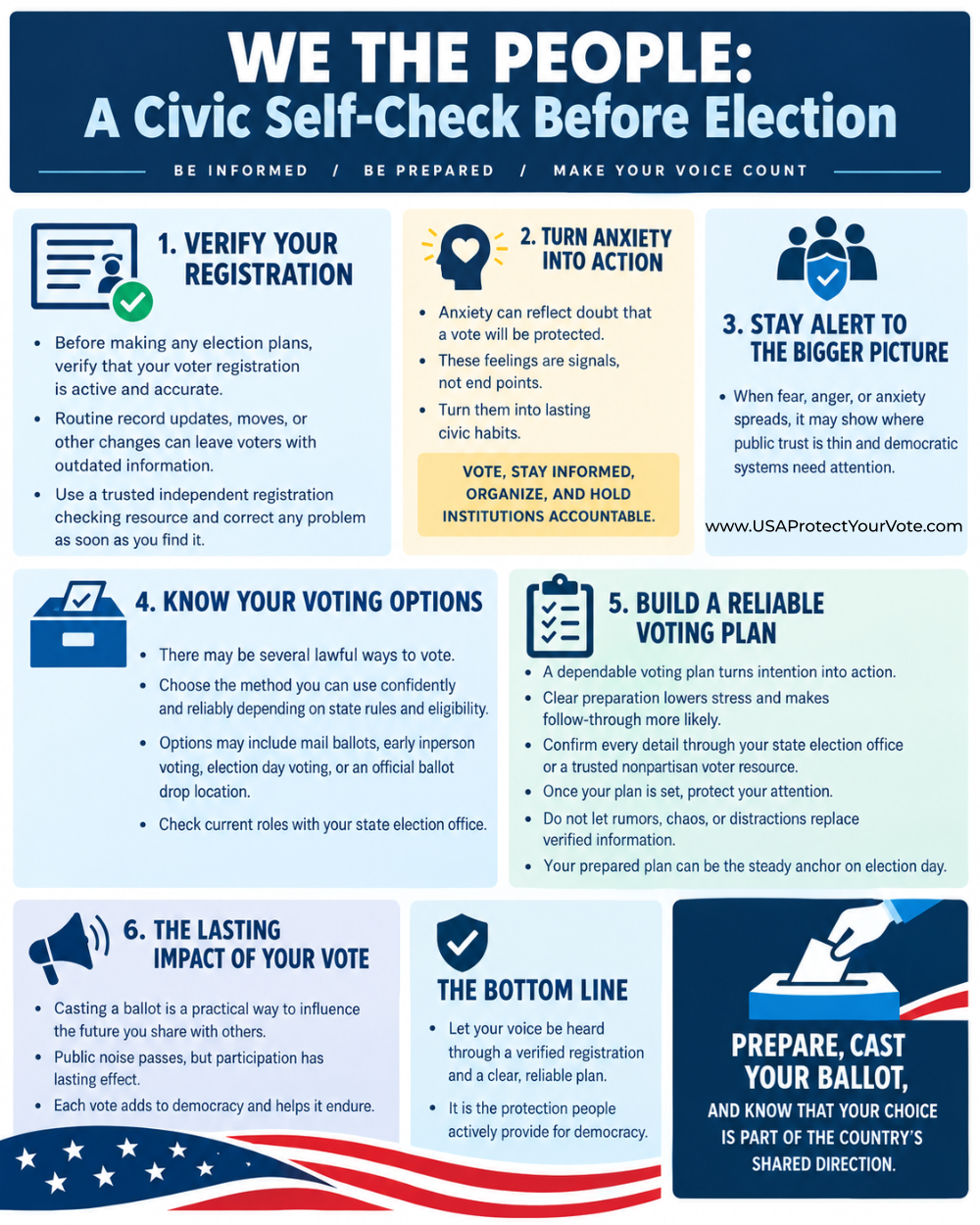
Closing Message
Your vote is your voice. Your plan is your power. Your participation is your protection.